
Article by Aliqa Ajaz
Guess, whats the good news? Stress may be handled. You can manage stress and enhance your general well-being if you have the appropriate resources and attitude. Let’s discuss the true nature of stress, its causes, and some practical coping mechanisms.
Stress management involves using techniques to control your level of psychological stress and improve your ability to cope with challenges. Everyone has experienced stress. Stress often affects our daily lives without our knowledge, ranging from financial pressure, work commitment, to family obligations and health issues. A small amount of stress can occasionally keep us motivated, but too much of it may reduce our energy levels, have negative effects on our health, and even reduce our level of happiness.
What Is Stress and Why Does It Happen?
The body’s natural reaction to difficulties or problems is stress. Your body releases hormones like cortisol and adrenaline in response to signals from your brain when you are in a stressful condition. This response, which gets you ready to act fast, is frequently referred to as the “fight or flight” response.
Although this reaction can be beneficial during emergencies, experiencing constant stress places your body in a state of “alert mode.” Prolonged exposure to this can result in headaches, difficulty sleeping, anxiety, elevated blood pressure, and potentially heart disease.
Common sources of stress consist of:
- Job or academic stress
- Financial difficulties
- Family Responsibilities
- Relationships Problems
- Major life changes (moving, marriage, illness, loss)
- Uncertainty about the future
Why Stress Management Matters
Neglecting stress doesn’t cause it to vanish instead, it typically accumulates and influences your physical health, emotions, and actions. Engaging in stress management means taking charge before it takes over your life.
The advantages of effectively managing stress encompass:
- Enhanced physical well-being (fewer migraines, improved immune function)
- Better sleep quality
- A more tranquil and optimistic outlook
- Improved relationships
- Greater concentration and efficiency
In summary, mastering stress management is one of the most worthwhile investments you can make in your life.
Simple and Effective Stress Management Techniques
Here are some effective methods for managing stress. You don’t have to implement all of them, just choose the ones that suit your lifestyle and incorporate them into your routine consistently.
1. Practice Deep Breathing
One of the quickest methods to relax your body and mind is to practice breathing techniques. Try the 4-7-8 technique, which involves taking a 4-second breath through your nose, holding it for 7 seconds, and then gently letting it out for 8 seconds. After a few repetitions, you’ll notice that the tension is released.
2. Stay Active
Exercise naturally reduces stress. Your body releases endorphins, which are mood-enhancing chemicals, when you move. A 20-minute walk, some stretching, or dancing to your favorite music can be just as beneficial as running a marathon.
3. Get Quality Sleep
There is an infinite loop where stress leads to poor sleep, which in turn leads to more stress. Adopt a sleep routine that includes limiting screen time before bed, keeping your room cold and dark, and going to bed at the same time every day. Getting enough sleep will make it easier for your mind to deal with problems.
4. Eat Well
How you feel depends on what you eat. Soda and junk food may provide instant energy, but they frequently increase stress. A balanced diet that includes fruits, vegetables, whole grains, lean meats, and lots of water is what you should strive for instead. Taking care of your body improves mental clarity.
5. Practice Mindfulness or Meditation
Being mindful is concentrating on the here and now rather than reflecting on the past or the future. Basic mindfulness practices, such as focusing on your breathing, taking in your environment, or practicing meditation with a guide, can help you become more clear-headed and less anxious.
6. Manage Your Time
Realizing like there isn’t enough time causes a lot of stress. Try prioritizing tasks, creating a to-do list, and breaking up large projects into manageable chunks. When it’s necessary, learn to say “no.” Effective time management can help you feel less stressed and more in control.
7. Stay Connected
Speaking with a trusted person, such as a friend, relative, or therapist, can ease the burden. Relationships get stronger and stress is reduced when you express your feelings.
8. Take Breaks
Burnout is the result of constantly pushing yourself. Throughout the day, take brief pauses to breathe, stretch, or just unwind. You can mentally recharge even if you take a five-minute break from your work.
9. Do Something You Enjoy
Entertaining activities and hobbies are excellent ways to relieve stress. Engaging in activities like cooking, gardening, reading, painting, or listening to music can make you happy and provide your brain with a much-needed respite from stress.
10. Limit Technology Overload
Social networking, emails, and constant updates may increase stress. Establish limits with technology: disable pointless notifications, plan “no-screen” time, and take breaks from using screens for a refill.
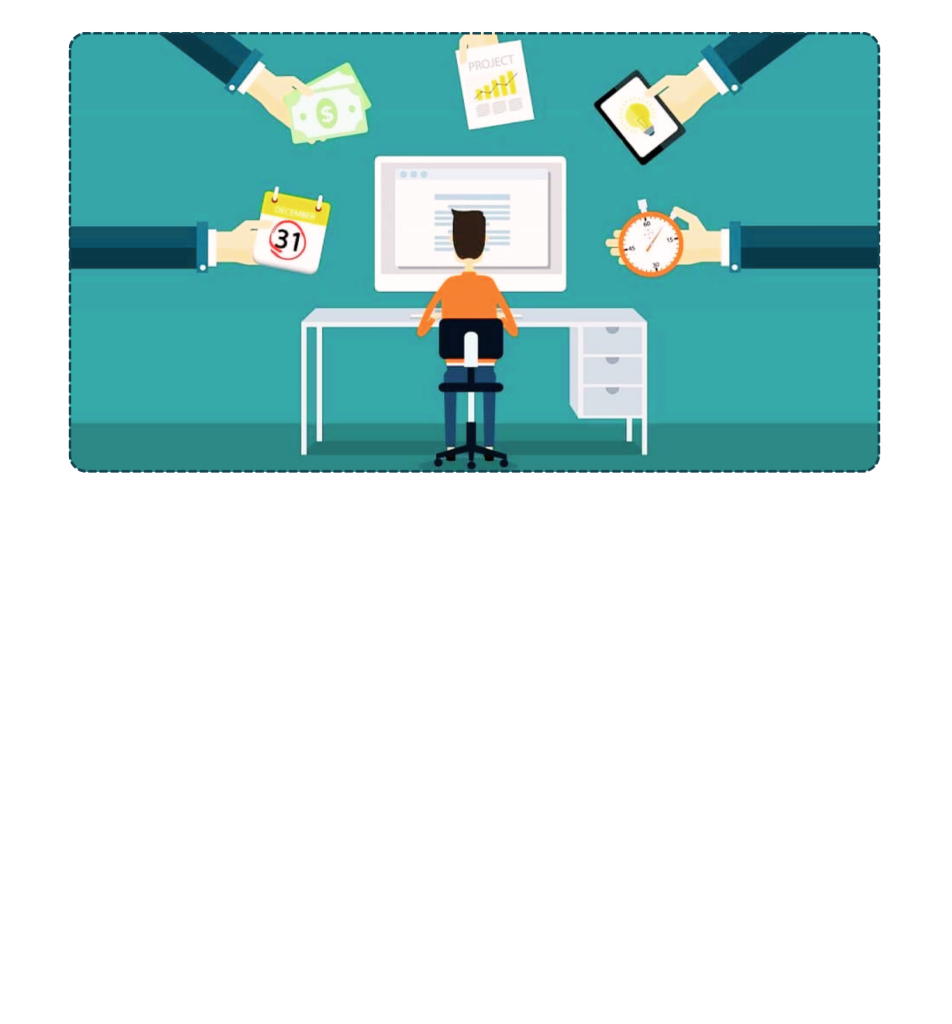
Stress Management at Work
Finding balance at work is crucial because it’s one of the main drivers of stress. Here are some ideas:
- Organizing your desk helps you think more clearly.
- Take little pauses to stretch and move.
- To maintain concentration on a single job at a time, utilize time-blocking.
- Avoid multitasking and set attainable goals.
- If you feel like your task is too much, speak with your boss.
Stress Management at Home
Although a home should be a place of safety, responsibilities can occasionally increase. Here are some tips for handling stress at home:
- Distribute duties among family members.
- Arrange items that help you relax, such as plants, books, and candles, in a calming place.
- Write down three things for which you are grateful every day as a way to develop gratitude.
- After business hours, disconnect from your work.
When to Seek Professional Help
Stress can occasionally become too much to handle and begin to interfere with day-to-day activities. It could be time to get professional help if you experience anxiety, despair, or difficulty coping regularly. Doctors, therapists, and psychologists can offer resources and techniques specific to your circumstances.
Conclusion
Although stress is a natural part of life, it doesn’t have to rule you. You can lower stress and improve your overall welfare by putting basic practices like deep breathing, exercise, mindfulness, and time management into practice. Recall that even minor adjustments made regularly can have a significant impact on your mood.
Your body and mind will appreciate you taking things one step at a time.
Leave a Reply